
A Family of Freedom Fighters

It is unusual to see Bijoy clothed in a North Indian Dhoti (loose drape pants) because most young boys his age wore half pants. Apparently he had begun to dress like an adult to display his commitment to the independence struggle; perhaps he felt that serious work required an adult attire. And he was not alone in his commitment – several leaders of the Independence movement had recruited large numbers of young boys to act as secret messengers to deliver letters in nearby towns and villages. Whenever the policemen came around on suspicion and to arrest Bijoy (they would come around often) his proud mother Pareshwari Devi would instruct Bijoy – “If you sign any police papers for an early release, do not come back to this house”.
The Fathers of our family
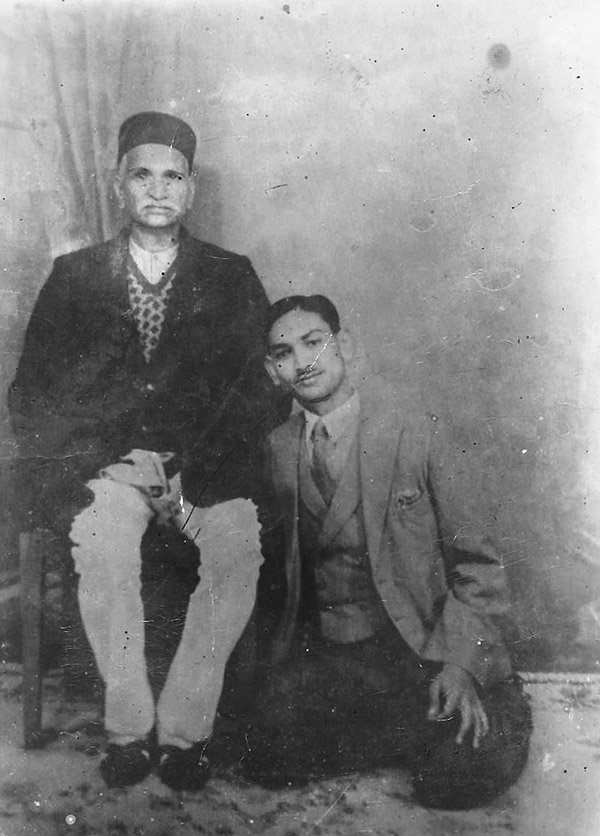
A few years before this photograph seems to have been taken, my great grandfather was due another promotion – to a Sub-Divisional Magistrate, but he was denied the opportunity on grounds of belonging to the Bania community, (generally a moneylenders or merchants community) the community to which the nationalist Lala Lajpat Rai belonged. Lala Lajpat Rai’s protests against the colonial British government had spread like wildfire in the early 20th century across Northern India, and led to a rise in anti-colonial sentiments within the community. Fearing disobedience, many Banias in the colonial administration were rejected for promotions. My great grandfather Nanak then retired to Kanpur with his family.