

My great-great-grandfather founded the second oldest tea estate of Darjeeling
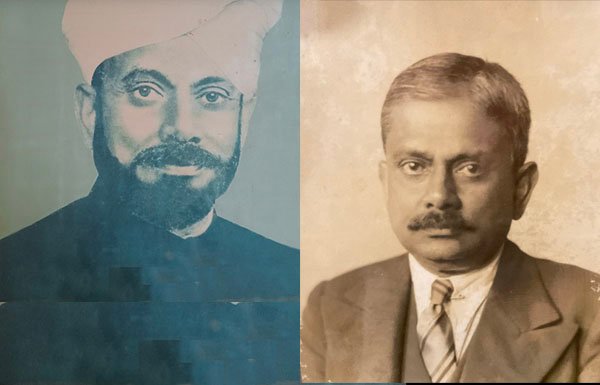
My ancestors were pioneers within the Darjeeling Tea garden industry and left behind a legacy so powerful that even two centuries later the Indian tea industry as well as us, their descendants are all the better for it.
The Darjeeling area, at the time, was owned by the Kingdom of Sikkim, although they were constantly clashing with Nepal over its boundary. In 1829, en route to resolving yet another dispute between Nepal and Sikkim, two East India Company officials, identified this crescent-shaped ridge as a potential summer retreat for British officials and their families. Subsequently, the ridge was ceded to the company by Sikkim in 1835. Two years earlier, in 1833 the British Parliament had revoked East India Company’s exclusive right to trade with China, including a hugely profitable tea trade. The company then began to experiment with tea growing in Assam to some success, and soon enough Darjeeling was part of that plan.
A business family of the North East

In Sikkim, my great grandfather was somehow introduced to the Chogyals (Namgyal), the monarchs of Sikkim and he earned favour to join and serve them. The king at that time apparently took a great liking to my great grandfather and bestowed upon him several land estates and properties in Sikkim, Darjeeling, Kalimpong and other regions