

My great-great-grandfather founded the second oldest tea estate of Darjeeling
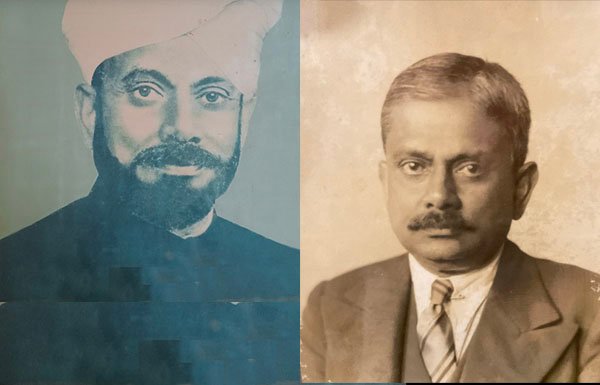
My ancestors were pioneers within the Darjeeling Tea garden industry and left behind a legacy so powerful that even two centuries later the Indian tea industry as well as us, their descendants are all the better for it.
The Darjeeling area, at the time, was owned by the Kingdom of Sikkim, although they were constantly clashing with Nepal over its boundary. In 1829, en route to resolving yet another dispute between Nepal and Sikkim, two East India Company officials, identified this crescent-shaped ridge as a potential summer retreat for British officials and their families. Subsequently, the ridge was ceded to the company by Sikkim in 1835. Two years earlier, in 1833 the British Parliament had revoked East India Company’s exclusive right to trade with China, including a hugely profitable tea trade. The company then began to experiment with tea growing in Assam to some success, and soon enough Darjeeling was part of that plan.
Constance, our fiercely independent grandmother.
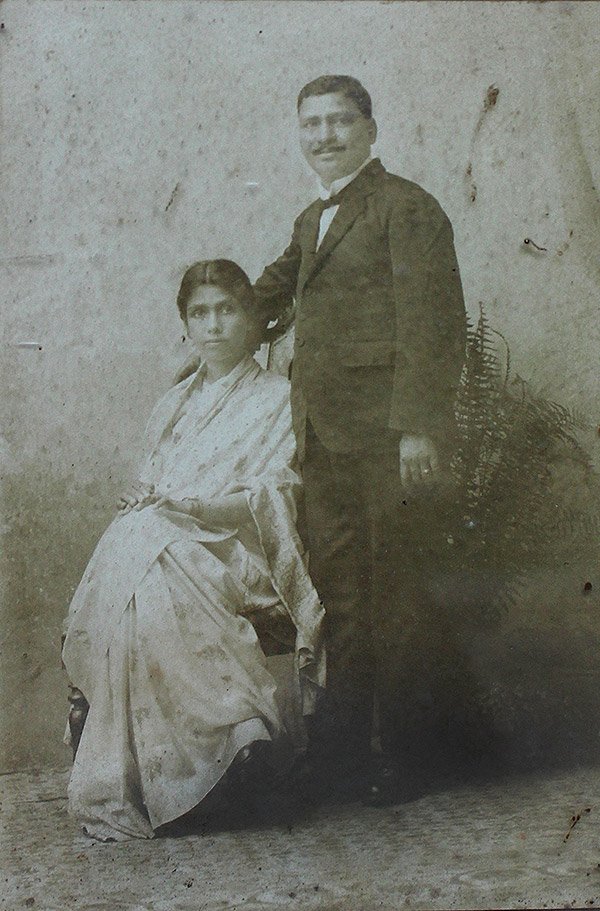
The lady you see in this photograph is my grandmother. She was born as Constance Karuna Charles to an affluent family in Mysore state, southern India, in the in the late 1890s. Around 1910, when she may have been about 12, her marriage was arranged with a man named Durraswamy around 1910. Two years later at the age of 14 she was left widowed, with one baby son in her arms – Arthur.