

My great-great-grandfather founded the second oldest tea estate of Darjeeling
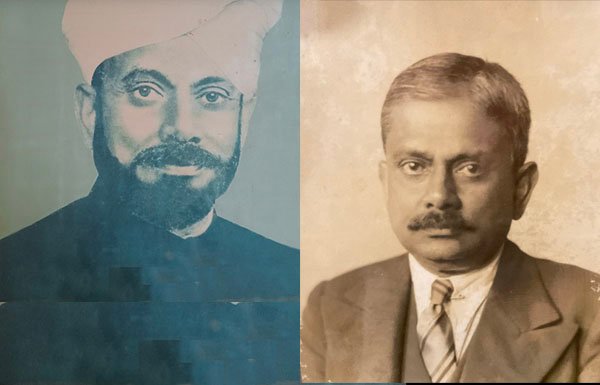
My ancestors were pioneers within the Darjeeling Tea garden industry and left behind a legacy so powerful that even two centuries later the Indian tea industry as well as us, their descendants are all the better for it.
The Darjeeling area, at the time, was owned by the Kingdom of Sikkim, although they were constantly clashing with Nepal over its boundary. In 1829, en route to resolving yet another dispute between Nepal and Sikkim, two East India Company officials, identified this crescent-shaped ridge as a potential summer retreat for British officials and their families. Subsequently, the ridge was ceded to the company by Sikkim in 1835. Two years earlier, in 1833 the British Parliament had revoked East India Company’s exclusive right to trade with China, including a hugely profitable tea trade. The company then began to experiment with tea growing in Assam to some success, and soon enough Darjeeling was part of that plan.
The Guardians of our language
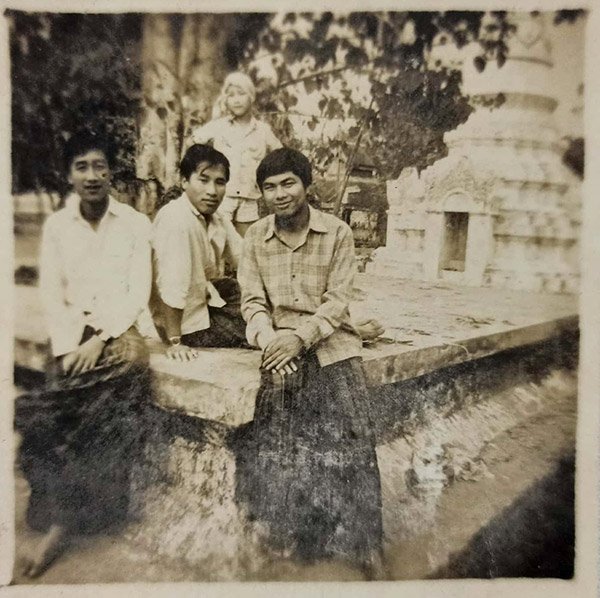
My father, Ai Lot Hailowng, was born in 1951 in Namphake Village in the Dibrugarh district of Assam to a Tai Phake family. Tai Phake is a small tribal community of about 2000 people scattered across Assam and Arunachal Pradesh in Northeast India. The Tai Phake first migrated to Myanmar (formerly Burma) from Moung Mao, (South China region). Migrations from south east asian regions were due to conflicts between erstwhile kingdoms and around 1775, many people in search of newer grounds, found and formed new settlements in what is present-day Assam and Arunachal Pradesh.