
Image and Narrative contributed by Arun Kumar Nangla, UK
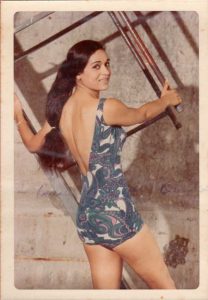
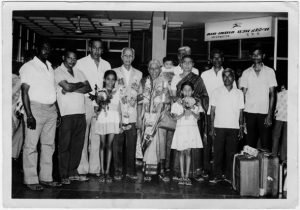
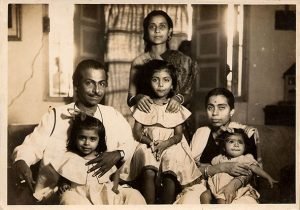
This picture was taken in a studio in Sarojini Nagar, Delhi in 1958 for official employee records of the Union Public Service Commission (UPSC). Their office used to be at India Gate.
My grandfathers and great-grandfathers were all farmers and land owners from an area near the Bhakra-Nangal Dam, Hoshiarpur in Punjab. (hence my last name). In 1956, my father became the first person to dare leave his village & family profession. He travelled to Delhi in search of change and a respectable government job. He was 21 years old then and 12th Pass. He was abreast in reading and writing in Urdu, as Urdu was in those days the official state language of Punjab, and Punjabi per-say was only spoken at home. Much later into his life in Delhi, he learnt how to speak, read and write in Hindi and a bit of English.
People often ask me the reason for ‘Kumar’ in my name. As far as I know, People including my parents in those times were very influenced by successful film Stars like Dilip Kumar and Manoj Kumar, and therefore a ‘Kumar’ was added to my name too. It offered a semblance of success and its use was highly popular and trendy. Many of the people you may know with the middle or last name “Kumar”, were named so because of the very same reason.
One Response
The explanation is simpler I believe. Kumar and Kumari are honorific parts of names given to boys and girls (akin to Singh and Kaur among Sikhs). They simply mean young boy and young girl. Your birth name would have been Arun-kumar, pronounced as one word.
Naming customs varied in different parts of India in the old days; in recent times all that has apparently fallen by the wayside in preference for the Western custom of ‘your name’ attached to ‘your father’s name’. This was so in my own case until my mid 20s, when I reverted to the old custom and shed my father’s name in preference to a caste name. After all, my father’s name had no components whatsoever of his father’s name.
Another trend I have heard about is of people shedding their caste or clan names for fear of discrimination, of which there was plenty in your father’s times and mine. So it is common to find people whose official names are simply Arun Kumar or Amin Chand. Of more significance to you is the name Nangla, which is a caste or clan name more than a family name, I conjecture. I urge you to discover the roots of your surname and naming customs in your part of India.